






About Me
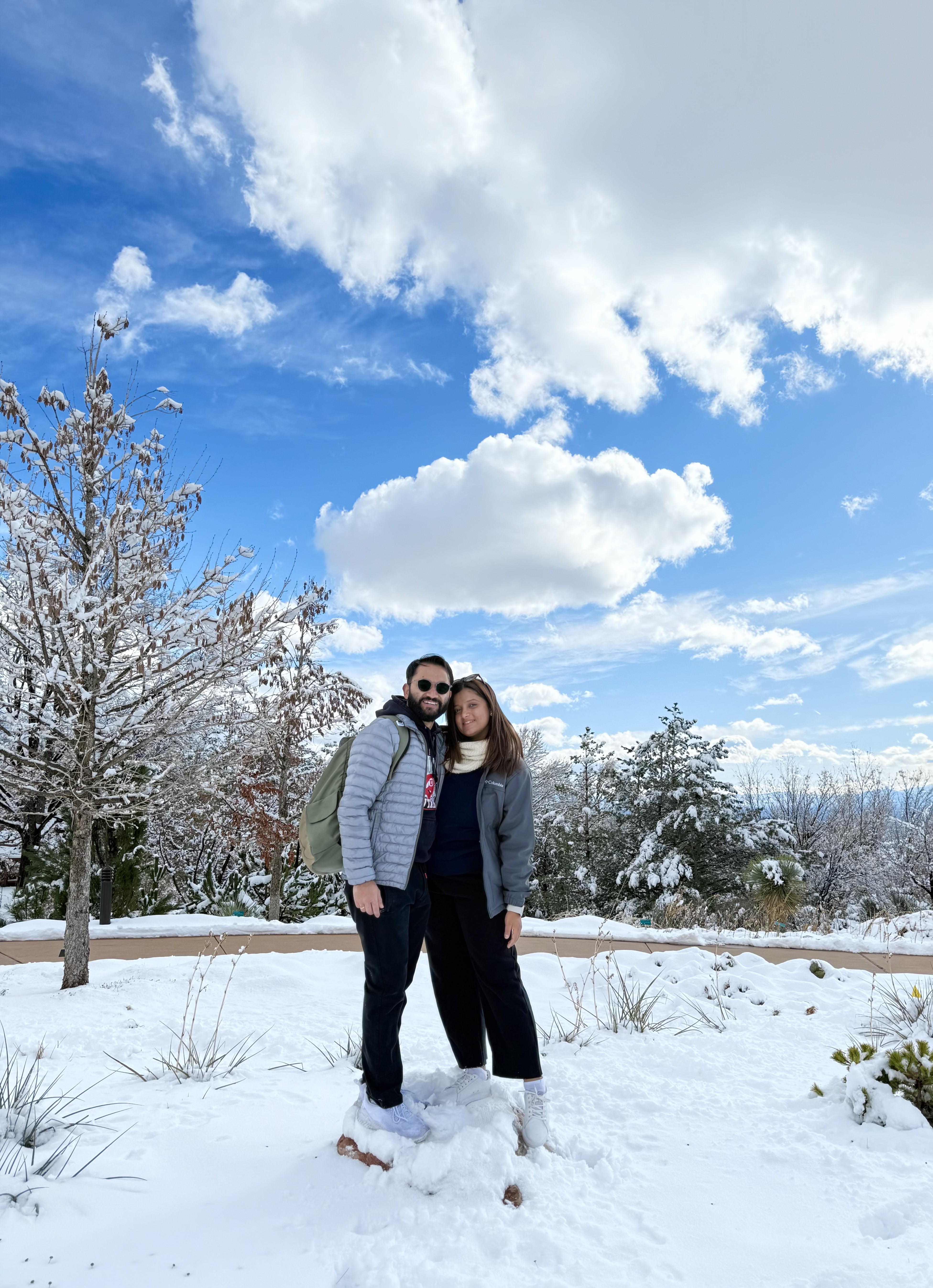
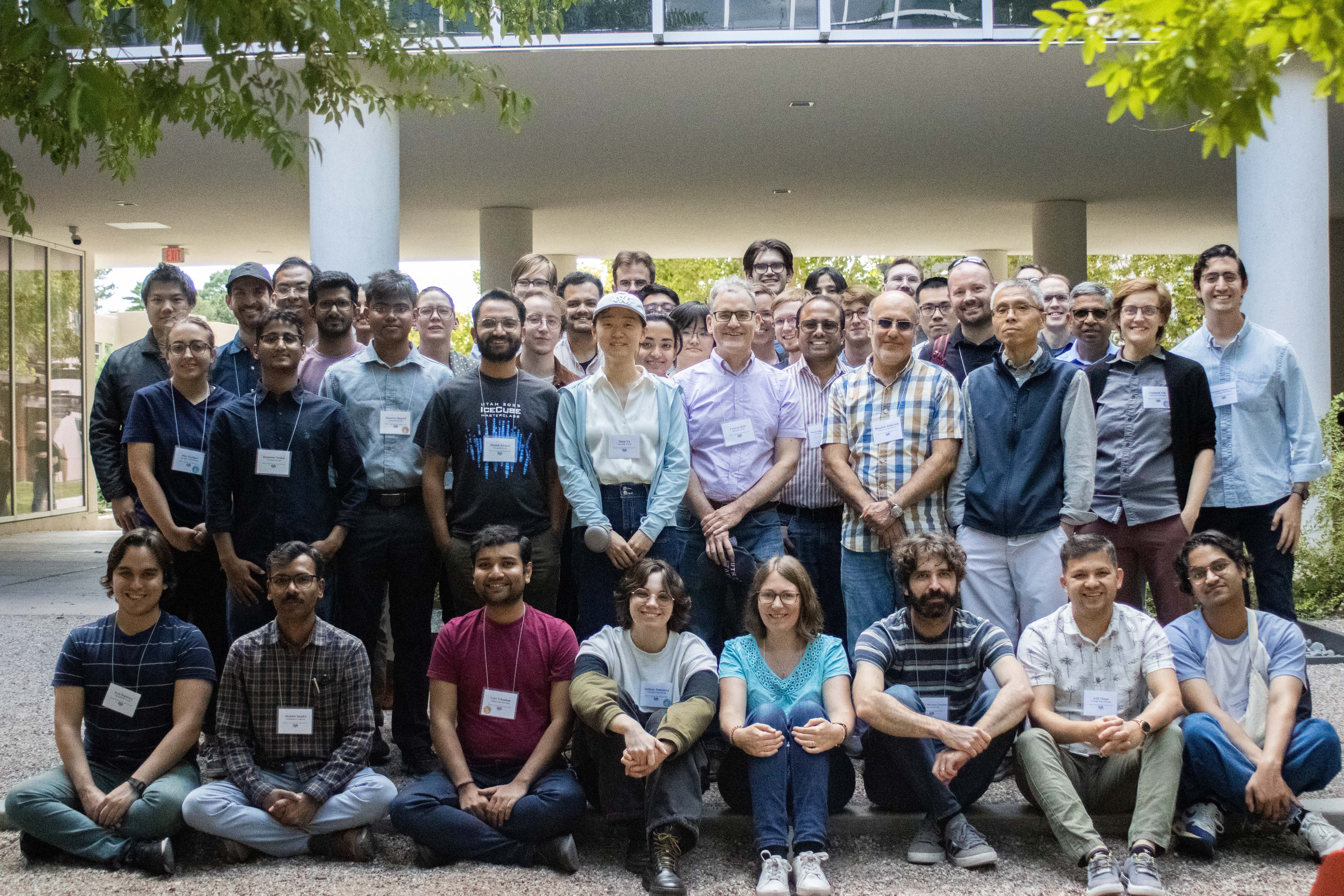
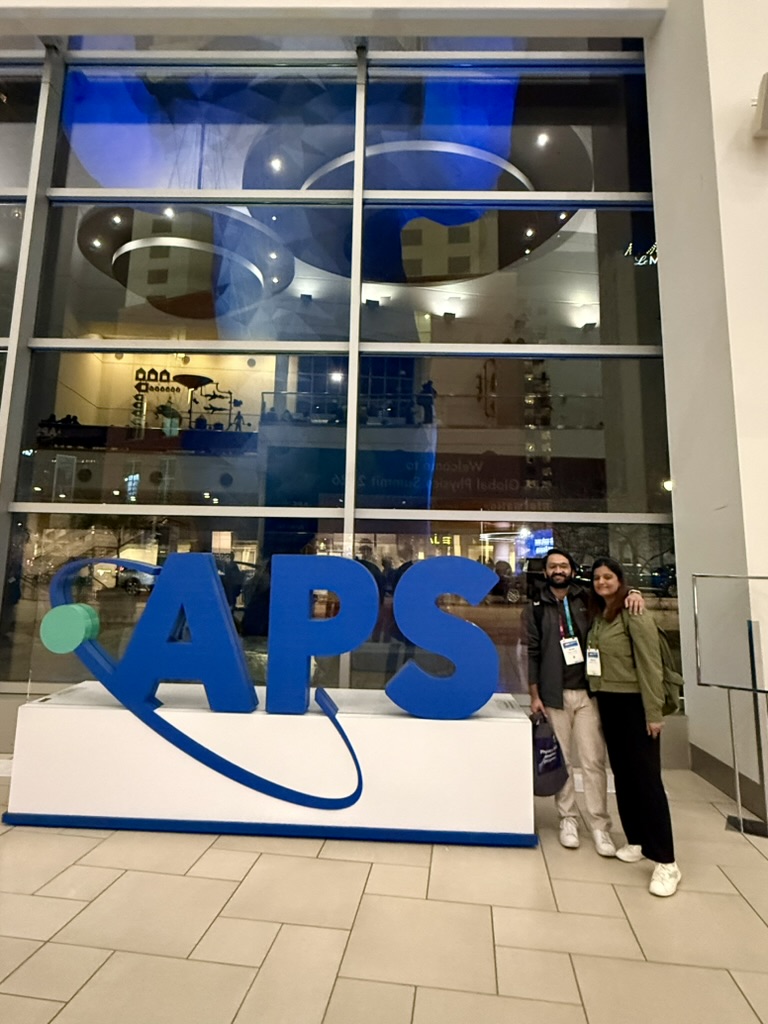

I'm a PhD Candidate in Physics at the University of Utah, working on neutrino astrophysics and sustainable energy systems for Antarctic research.
I hold a Bachelor's degree in Physics from Tribhuvan University in Nepal, where I began my journey in research. I'm passionate about data analysis, machine learning, and simulations to solve complex physics problems, from cosmic mysteries to real-world sustainability challenges.
Academic Overview
Education
Advisors: Prof. Carsten Rott, Prof. Shiqi Yu
Focus: Neutrino Astrophysics & Sustainable Energy Systems for Polar Research
Focus: Astronomy, Space Science
Professional Highlights
A brief overview of my background, research output, and teaching contributions.
Selected Publications
- Gautam, S. P. et al. (2021). Tracking IMF Fluctuations near Sun using Wavelet Analysis: Parker Solar Probe First Encounter Data. Geomagnetism and Aeronomy.
- Abbasi, R. et al. (IceCube Collaboration, 2024). Characterization of the astrophysical diffuse neutrino flux using starting track events in IceCube. Physical Review D.
- Abbasi, R. et al. (IceCube Collaboration, 2024). Search for an eV-Scale Sterile Neutrino Using Improved High-Energy νμ Event Reconstruction in IceCube. Physical Review Letters.
Awards, Funding & Teaching
- Swigart Fellowship (University of Utah, 2023, $6,500): feasibility assessment of solar photovoltaics for IceCube-Gen2 South Pole operations.
- Teaching Assistant, PHYS 2020 (University of Utah, Aug 2022 – May 2023): discussion sections, grading, and student support.
- Secondary Teacher, Pragya Secondary School, Kathmandu (Jan 2020 – Jun 2022): mathematics and science.
Hobbies & Life
Beyond physics and research, I find joy in exploring nature, capturing the cosmos, and the beautiful game of cricket. Discover more about my passions and adventures.
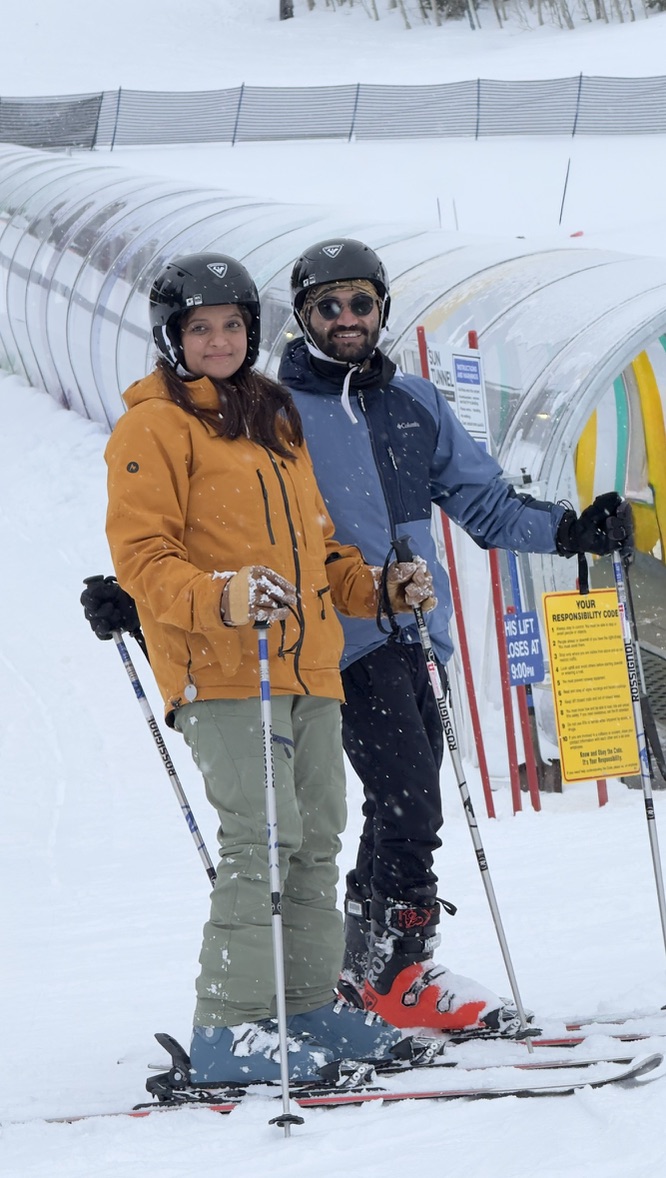
Hiking
Exploring scenic mountains
Night Sky Photography
Capturing celestial beauty
Cricket
A sport (not an insect 😂)
Research
Research expands across three distinct areas.
Solar Panels & Renewable Energy
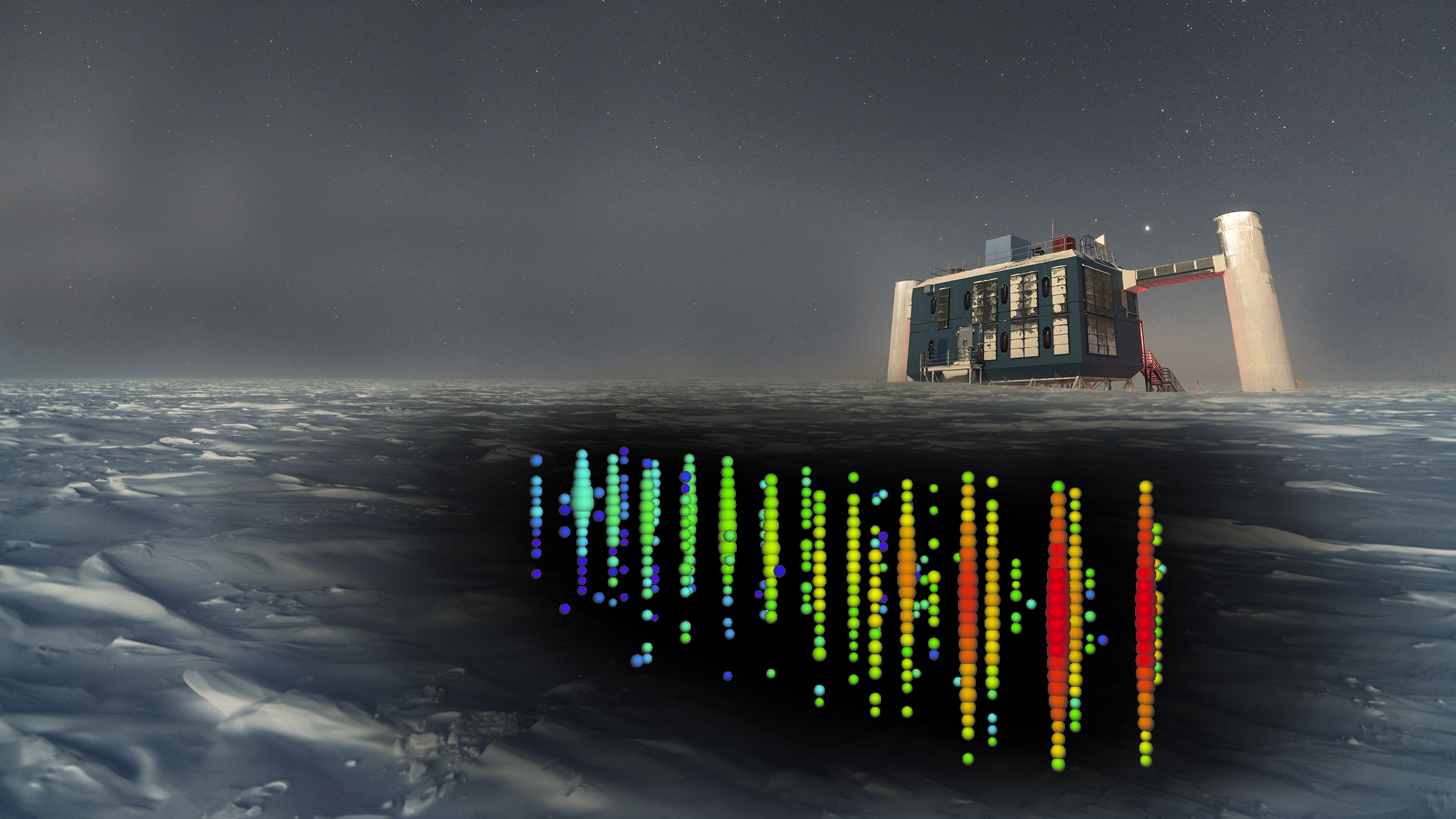
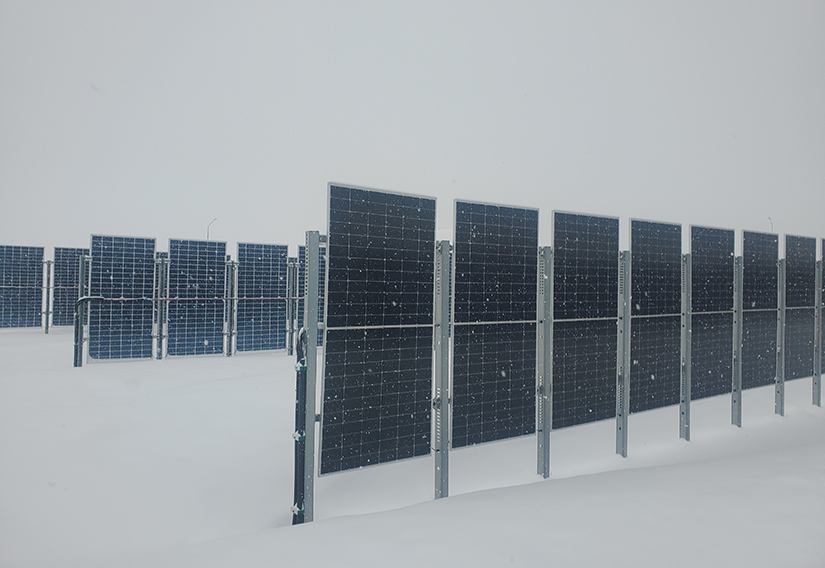
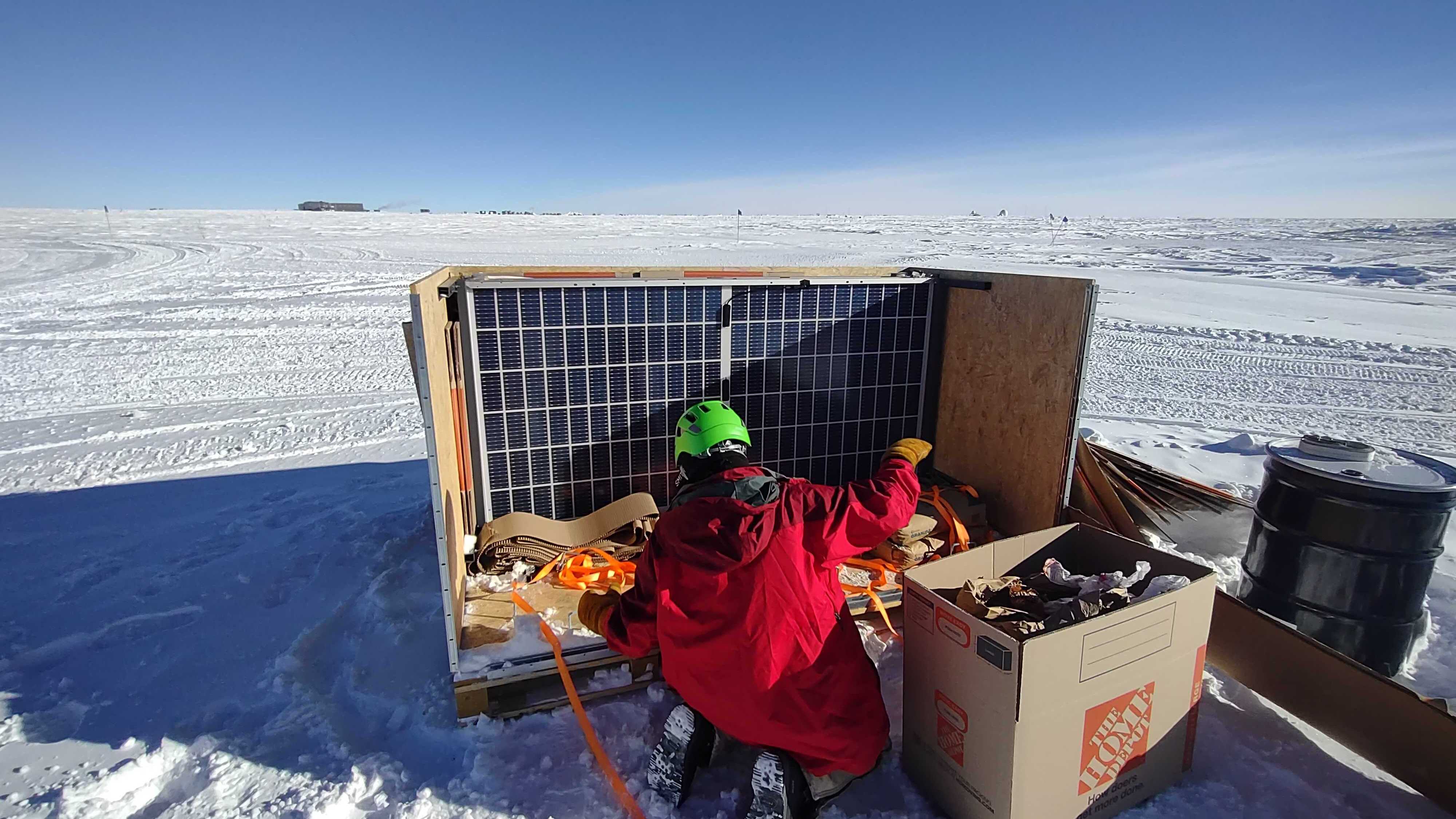
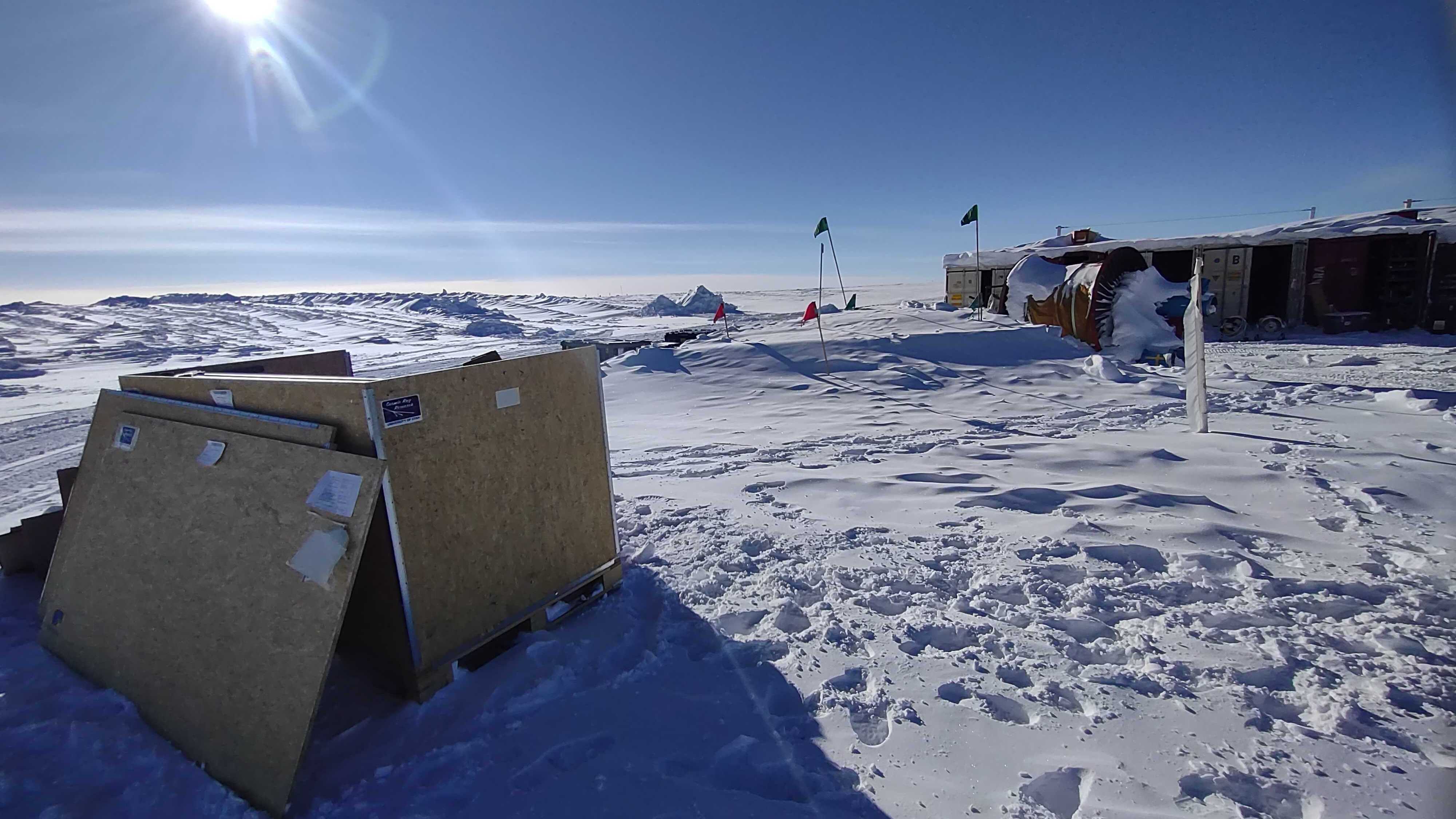
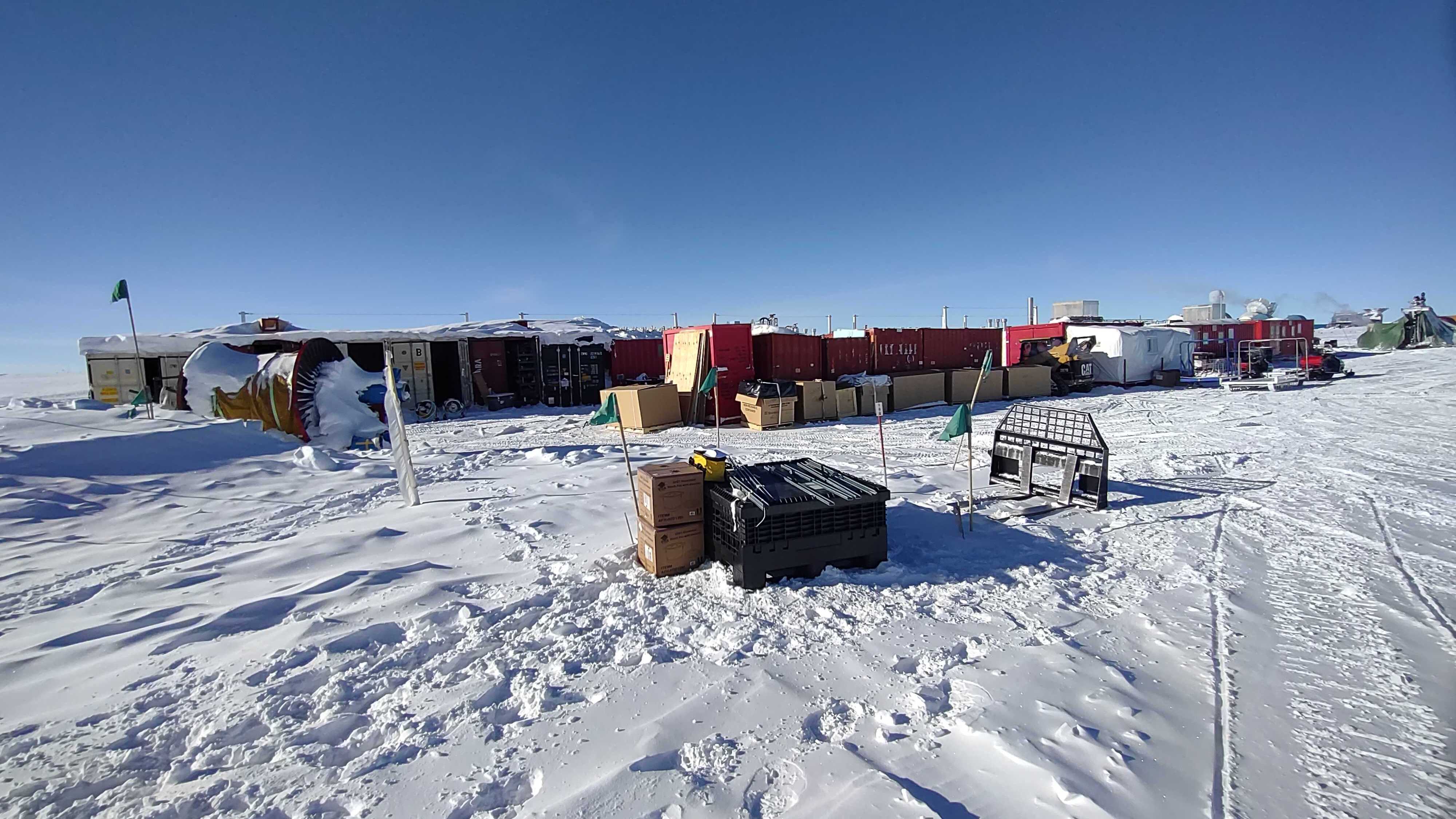
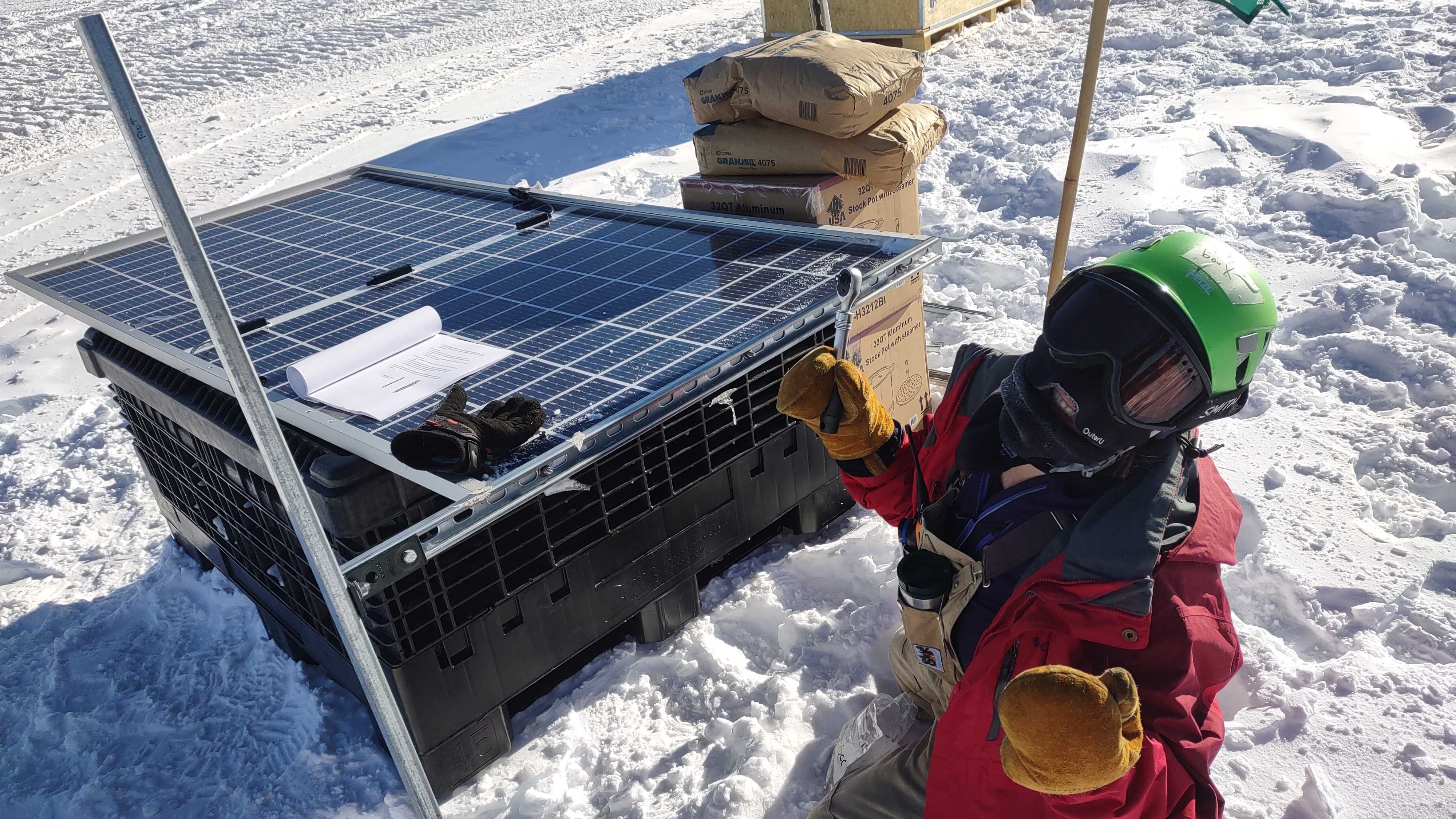
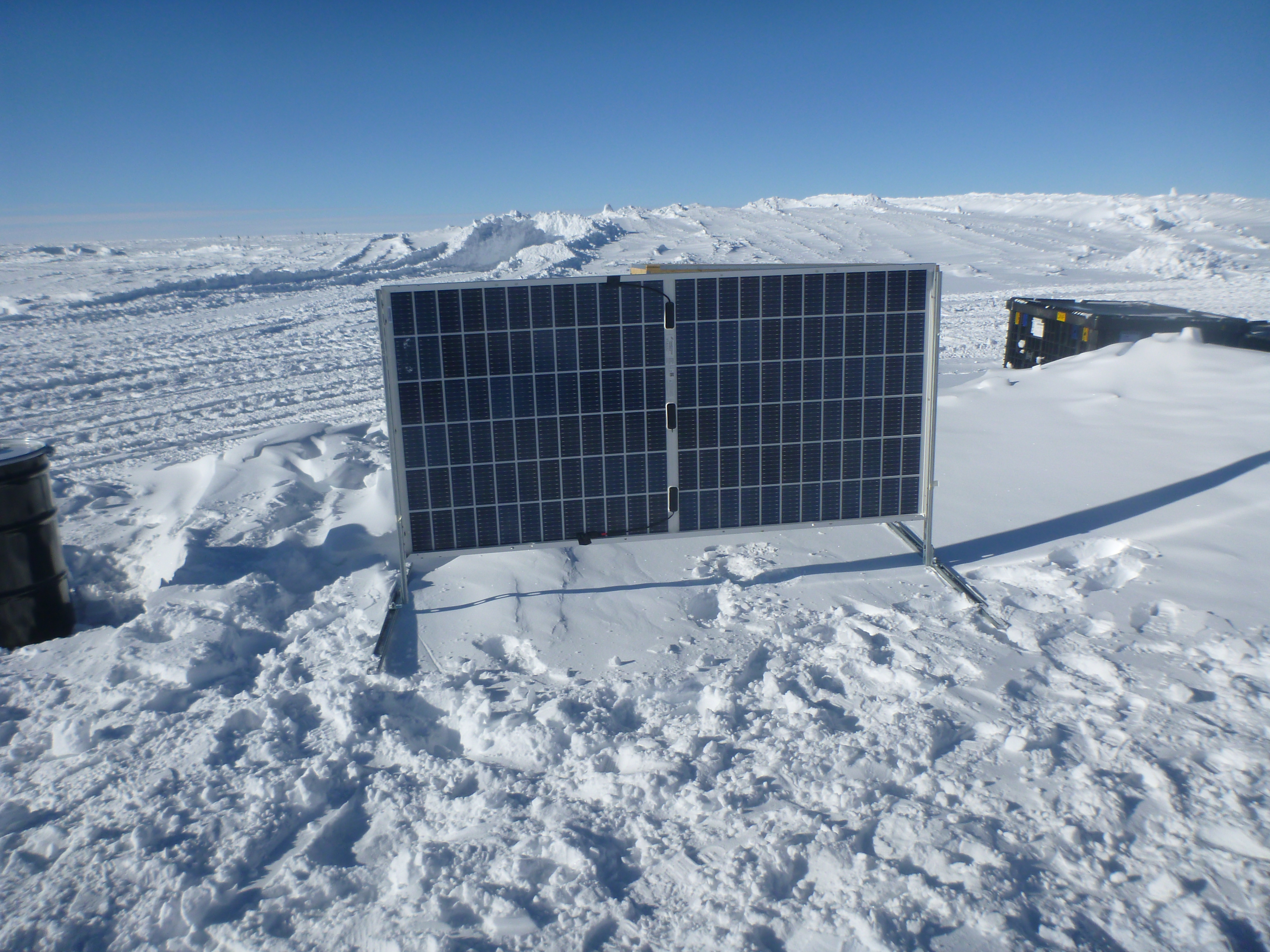
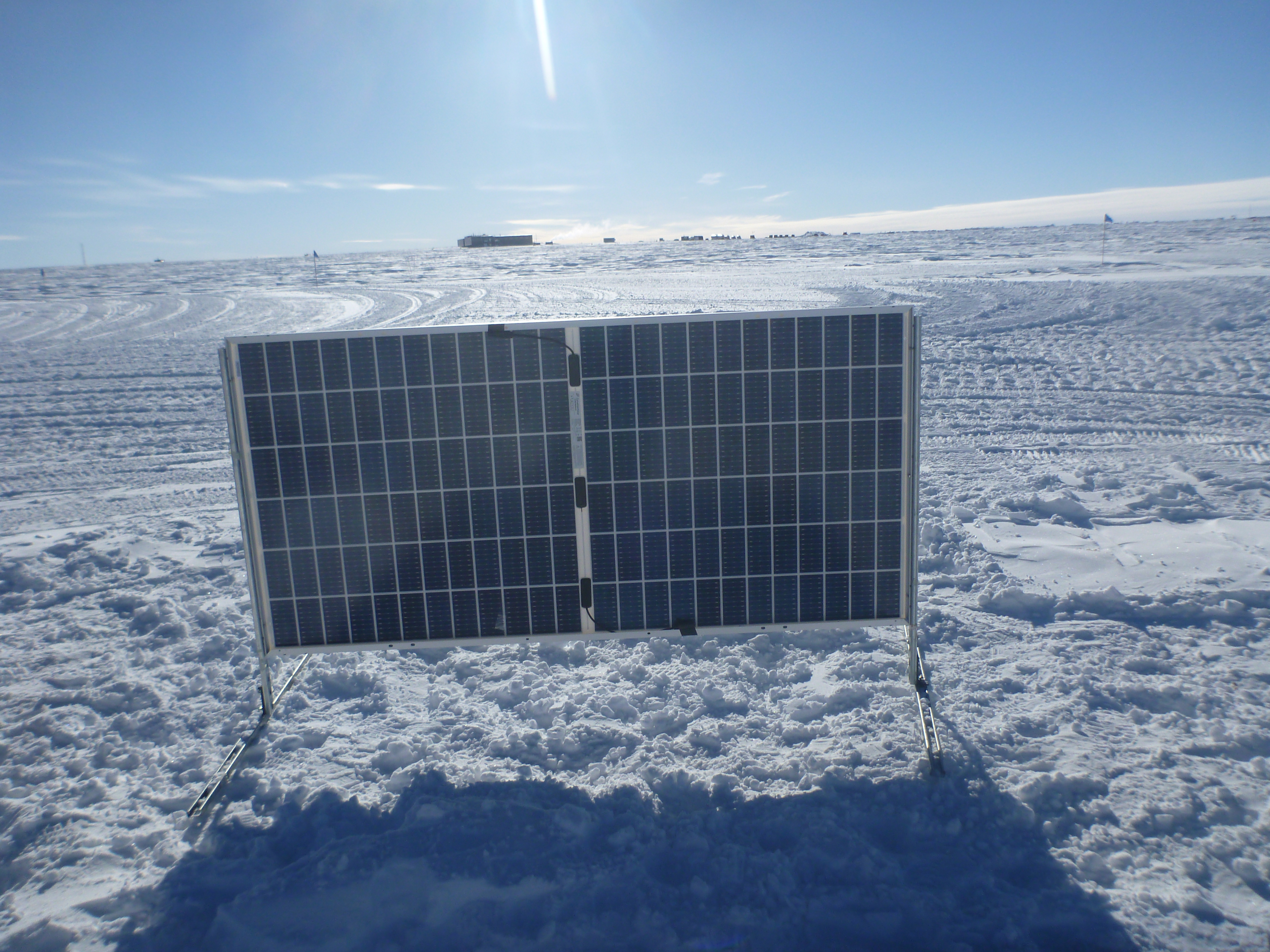
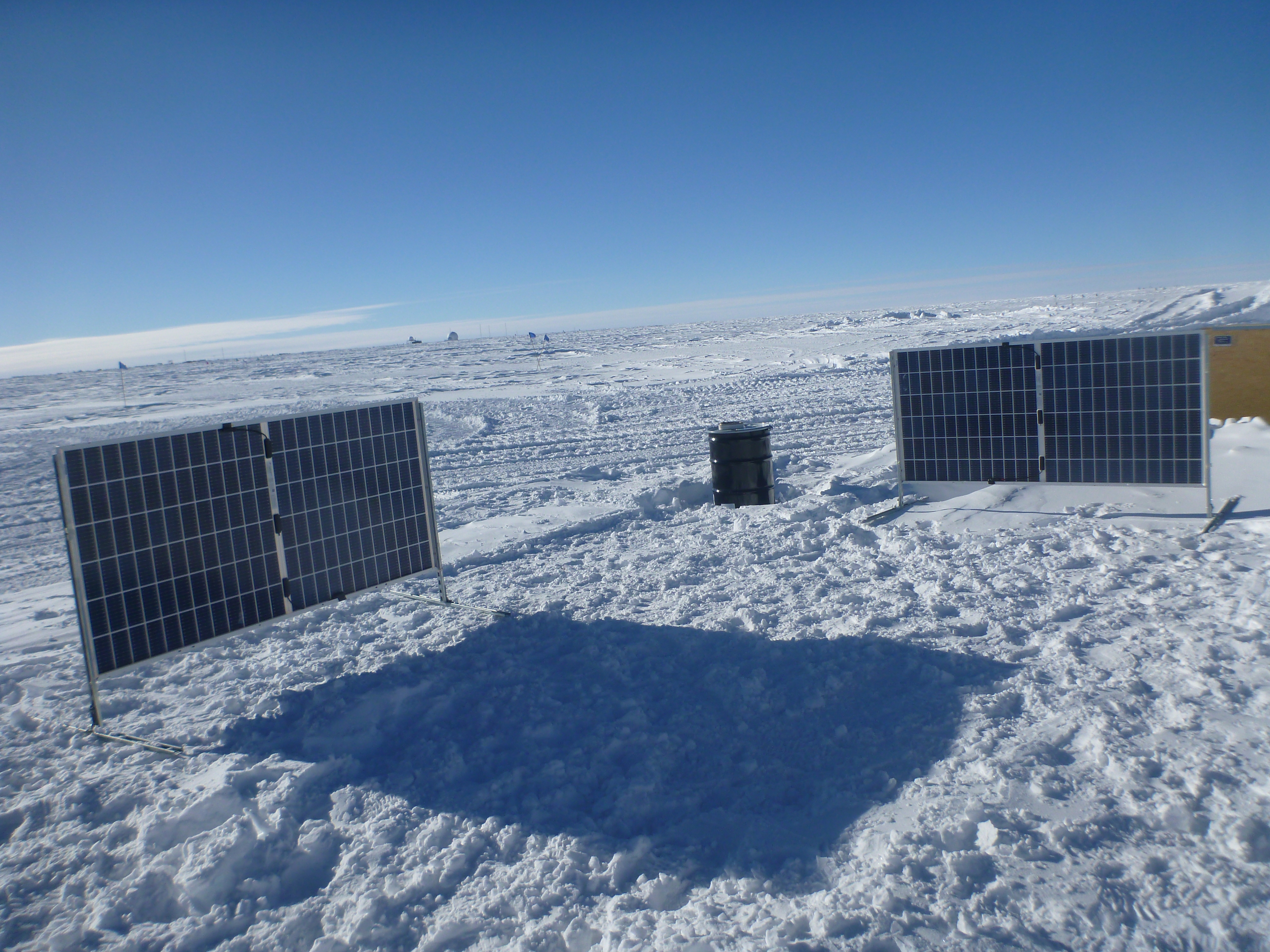
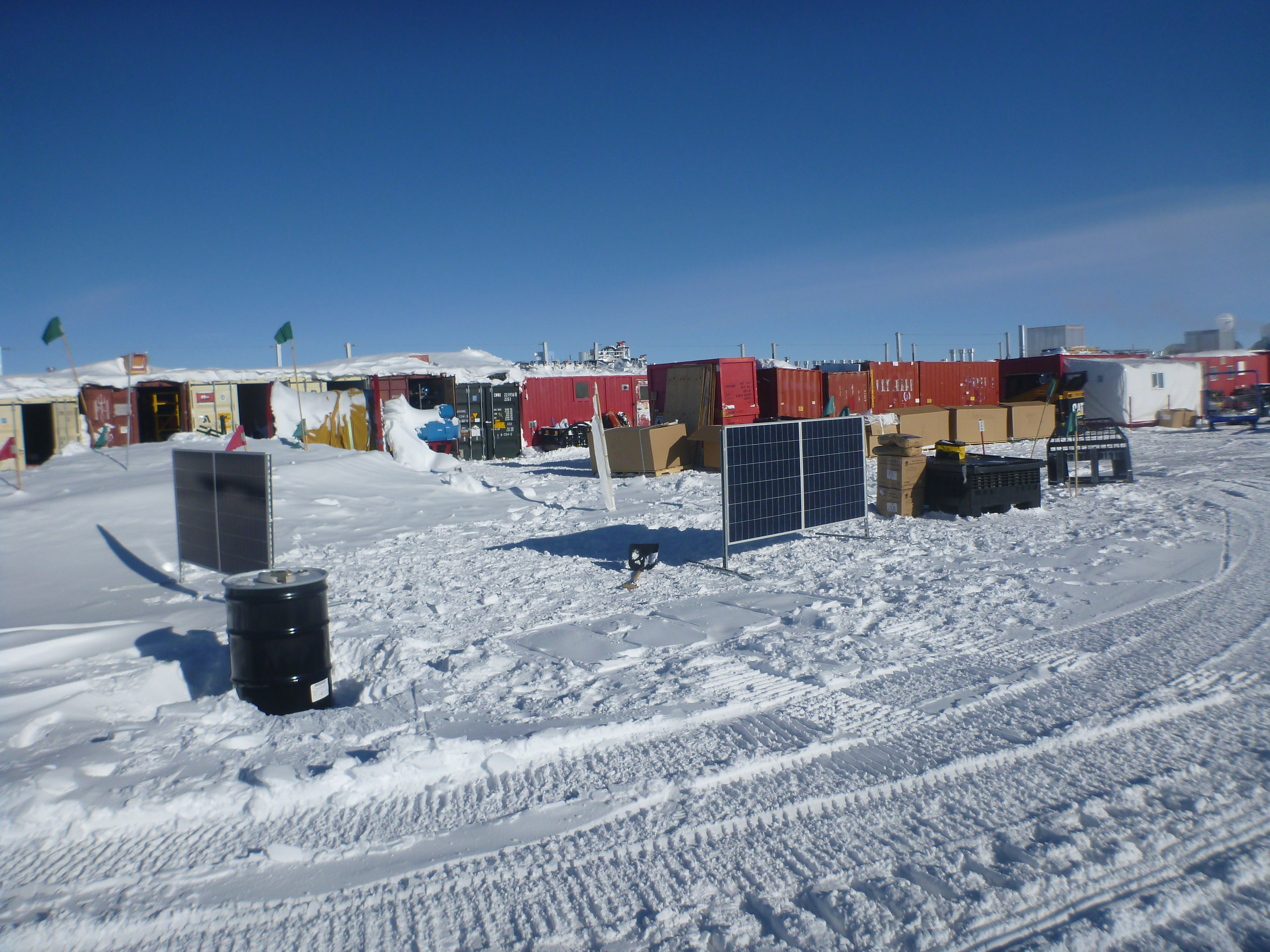
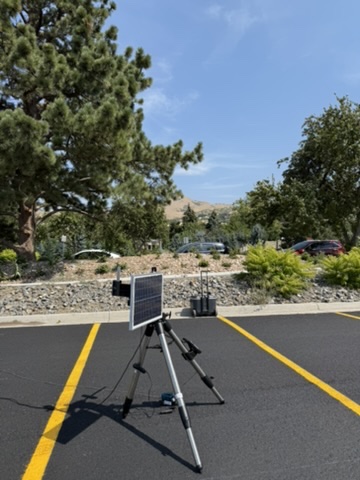
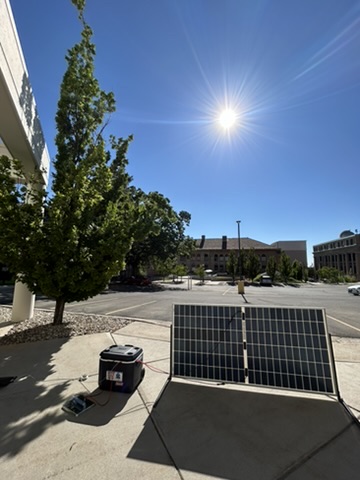
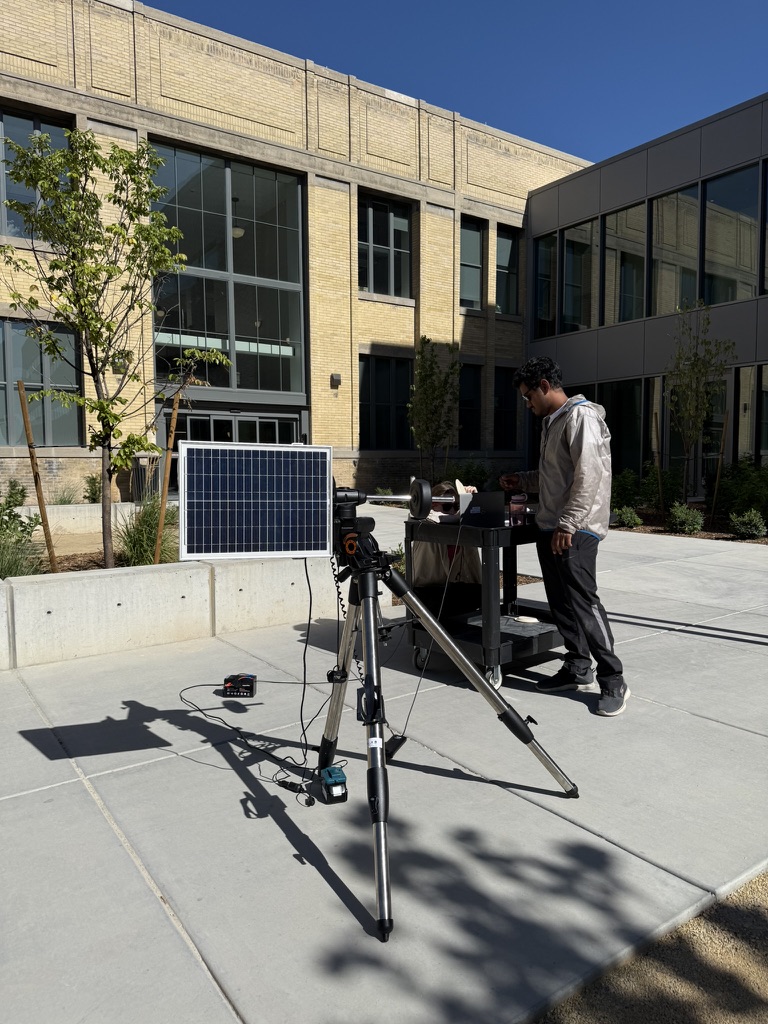
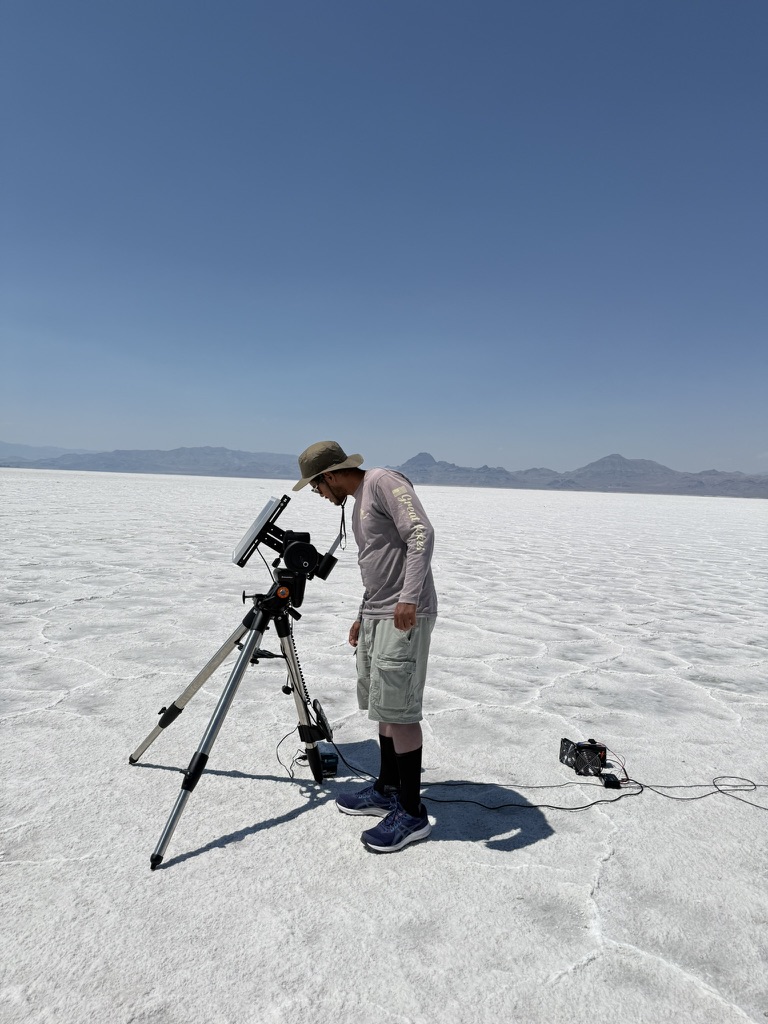
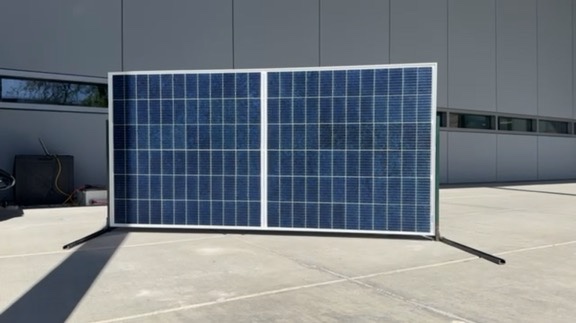
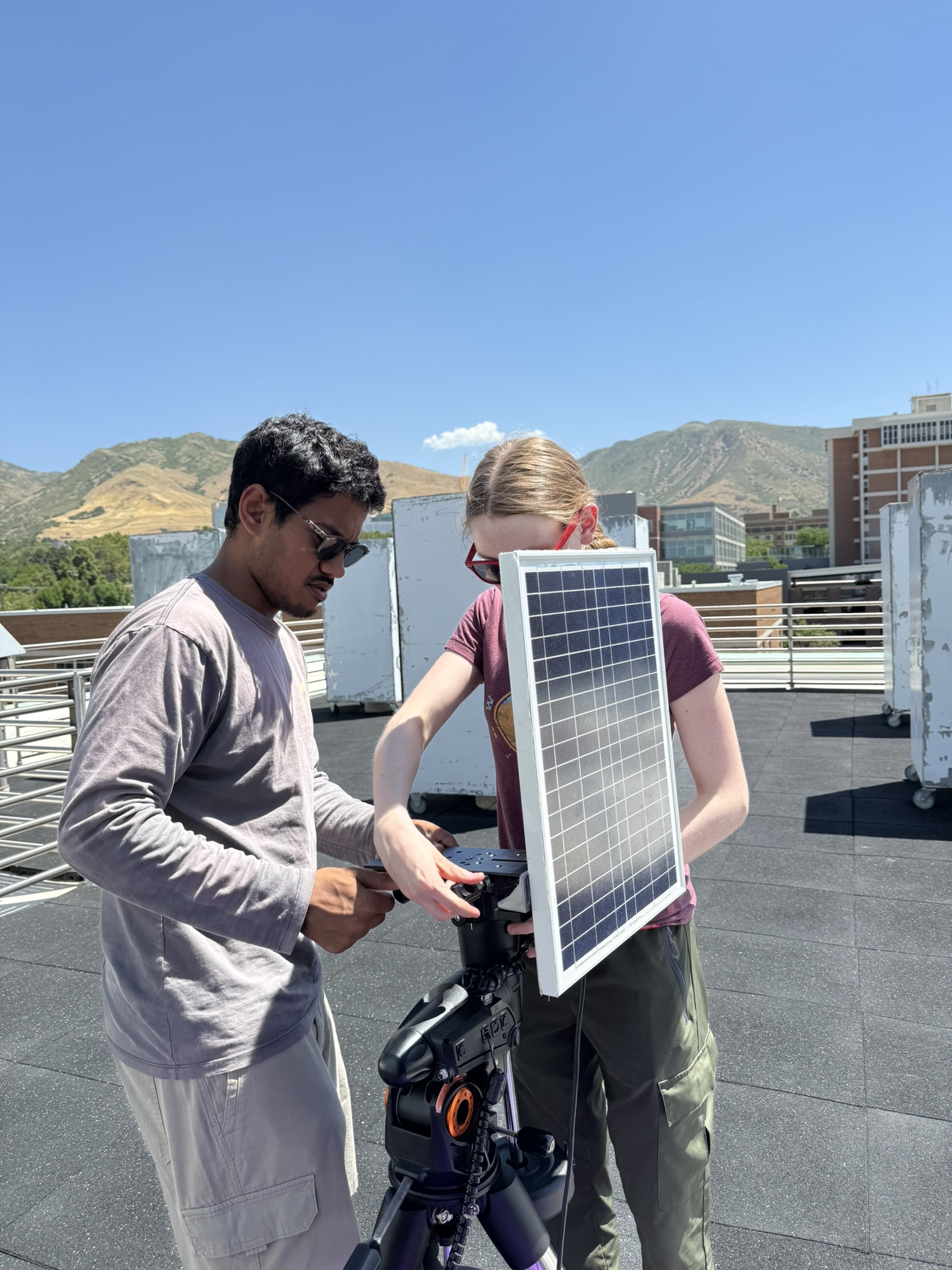
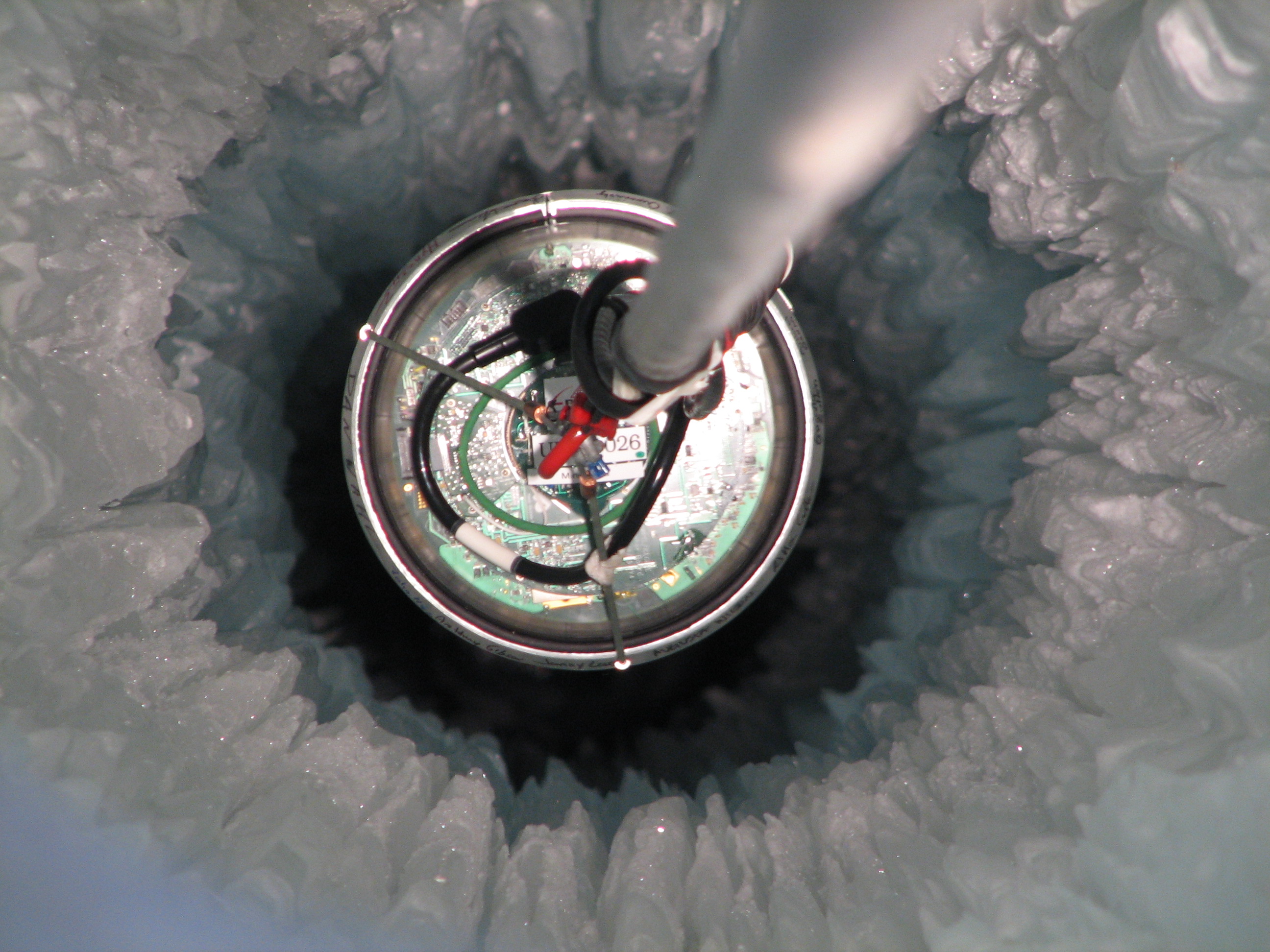
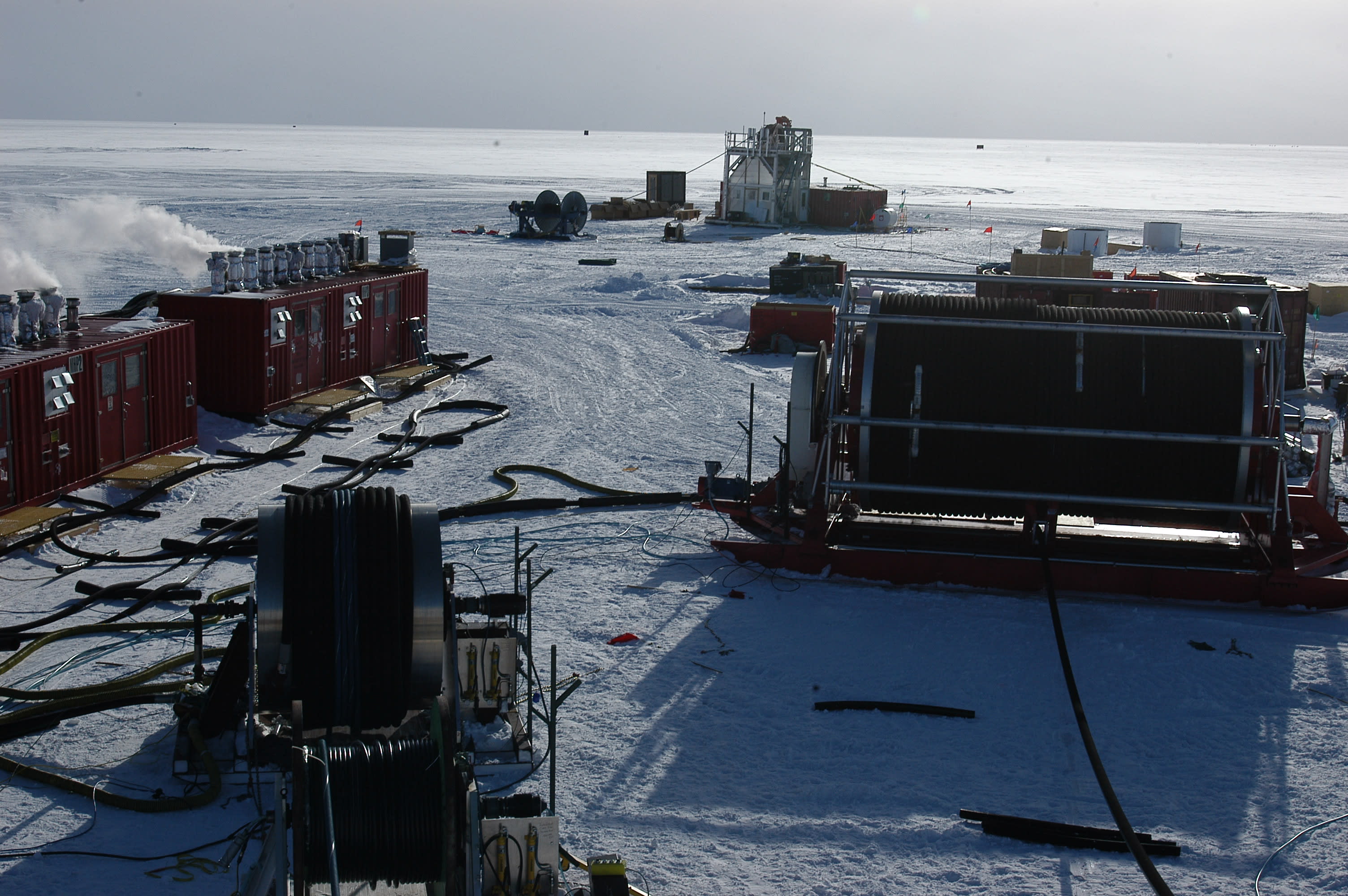
At the South Pole, every gallon of fuel is expensive, difficult to transport, and challenging to manage safely. For IceCube-Gen2, the next-generation expansion of the IceCube Observatory, deep drilling could consume roughly 918,000 gallons of fuel across the full construction period. My project asks whether renewable energy can reduce this burden in one of Earth's most remote and logistically challenging environments.
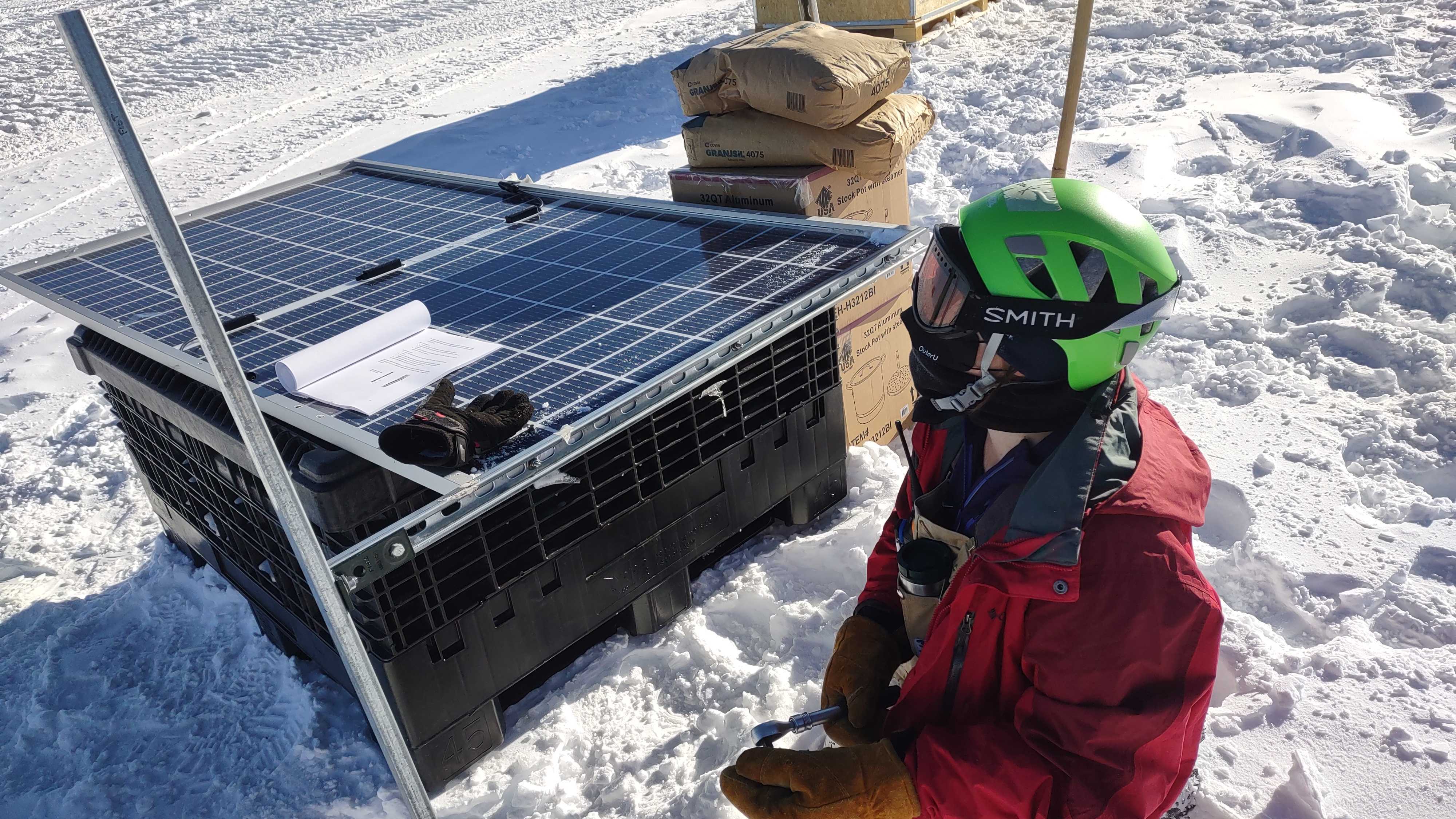
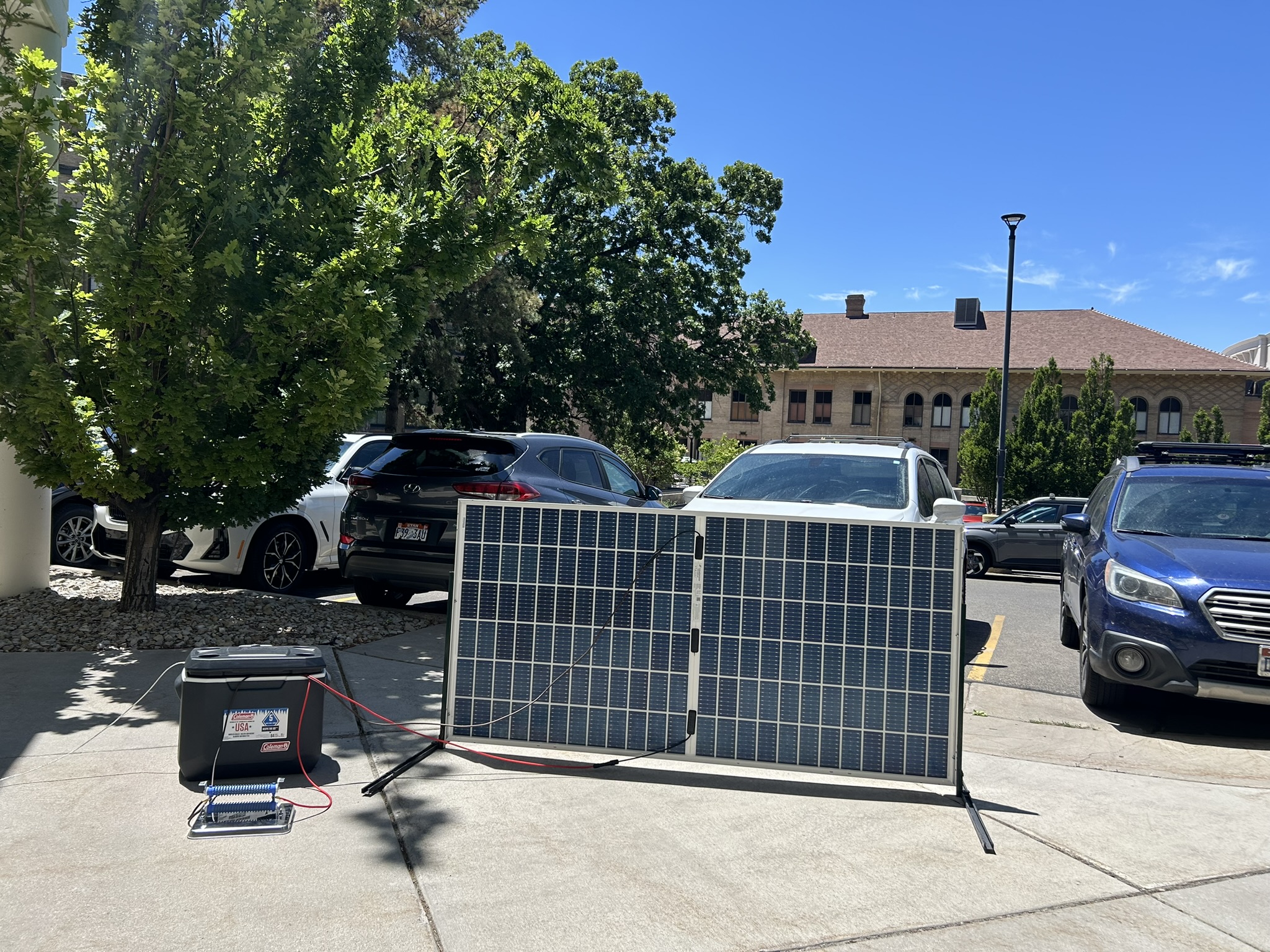
At the South Pole, every gallon of fuel is expensive and difficult to move. My work asks whether bifacial solar panels can help reduce that burden for IceCube-Gen2 and make Antarctic research more sustainable.
Why it matters
Drilling, transport, and winter operations at the South Pole demand huge fuel reserves. Renewable power could lower cost, complexity, and emissions.
What we found
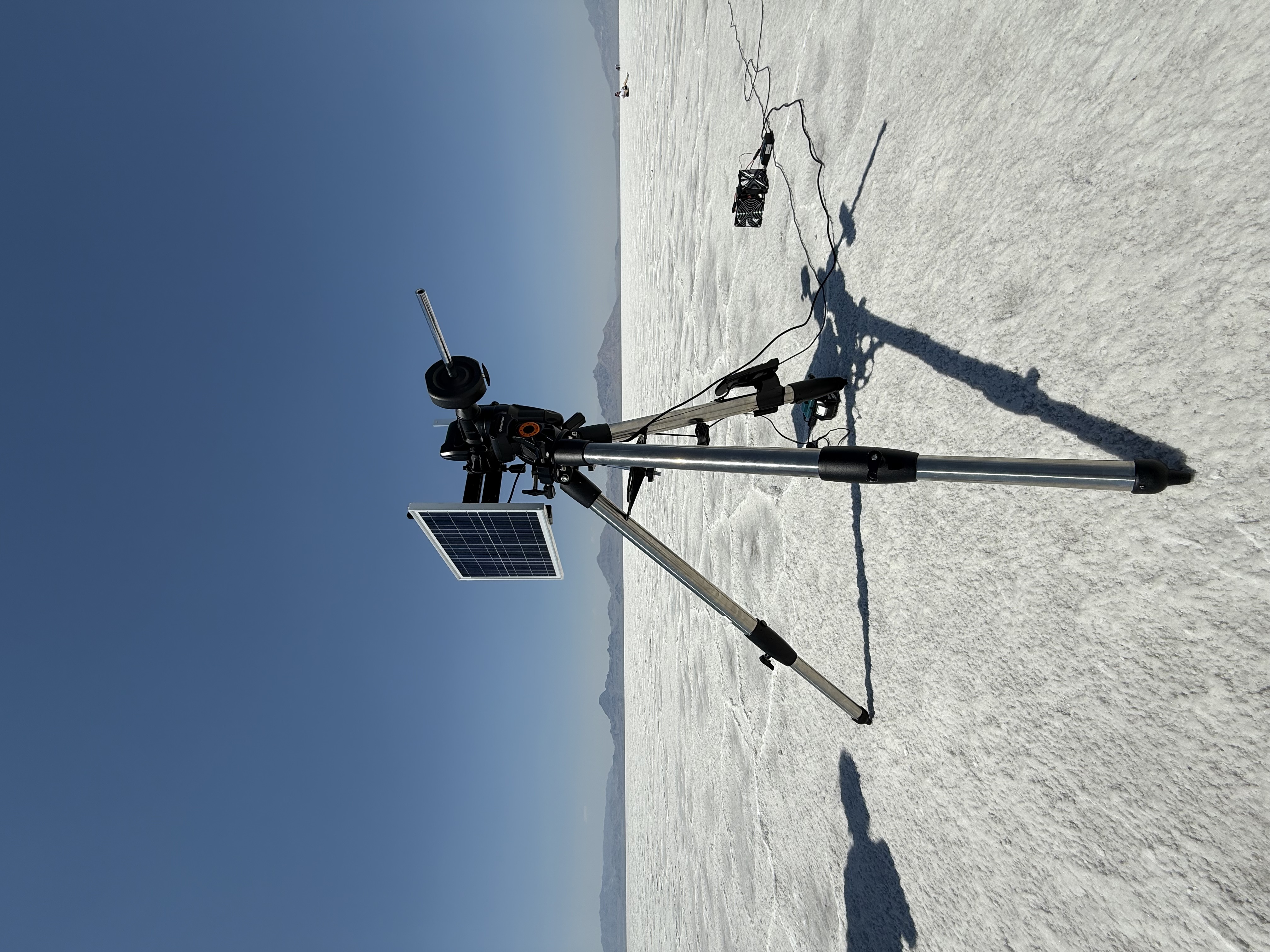
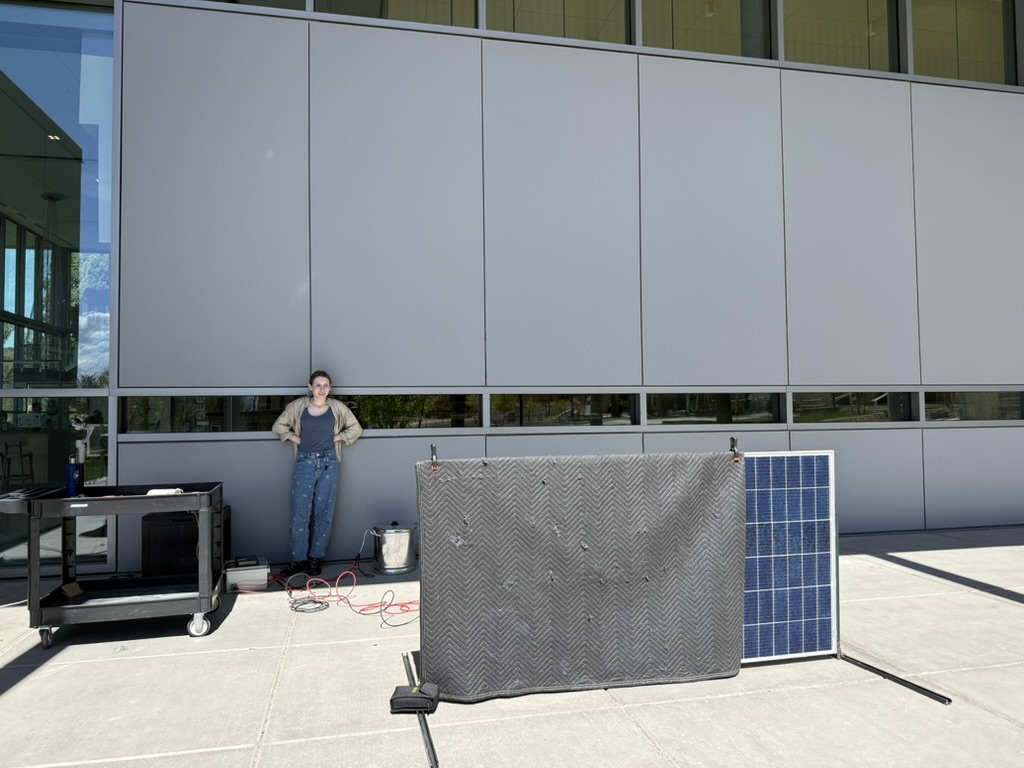
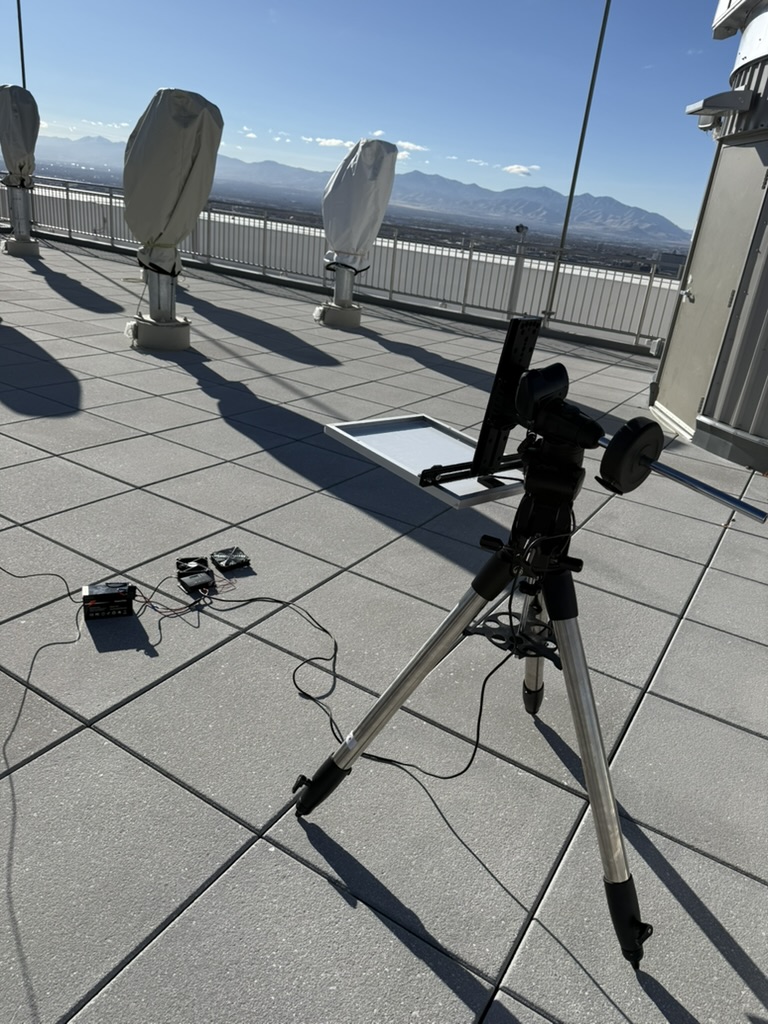
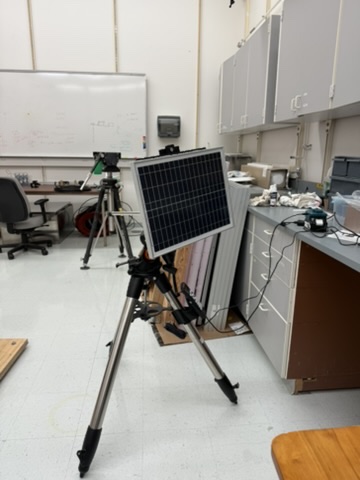
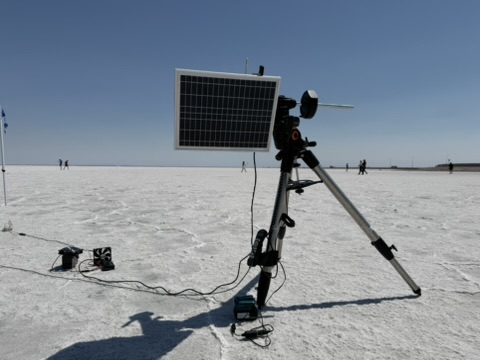
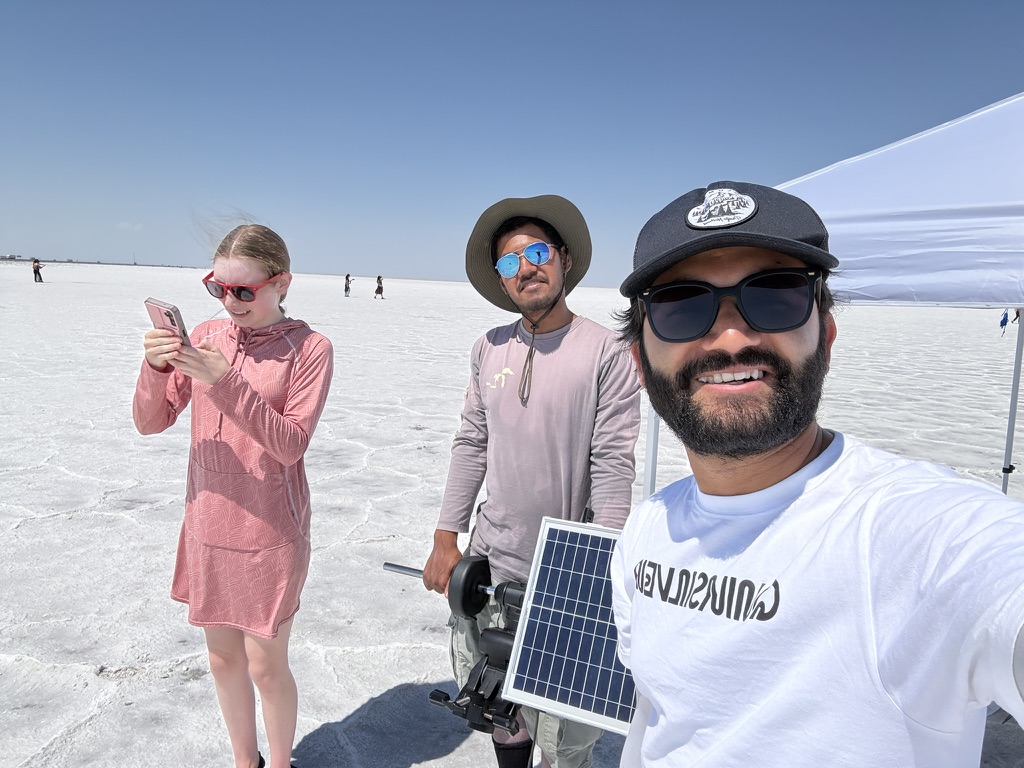
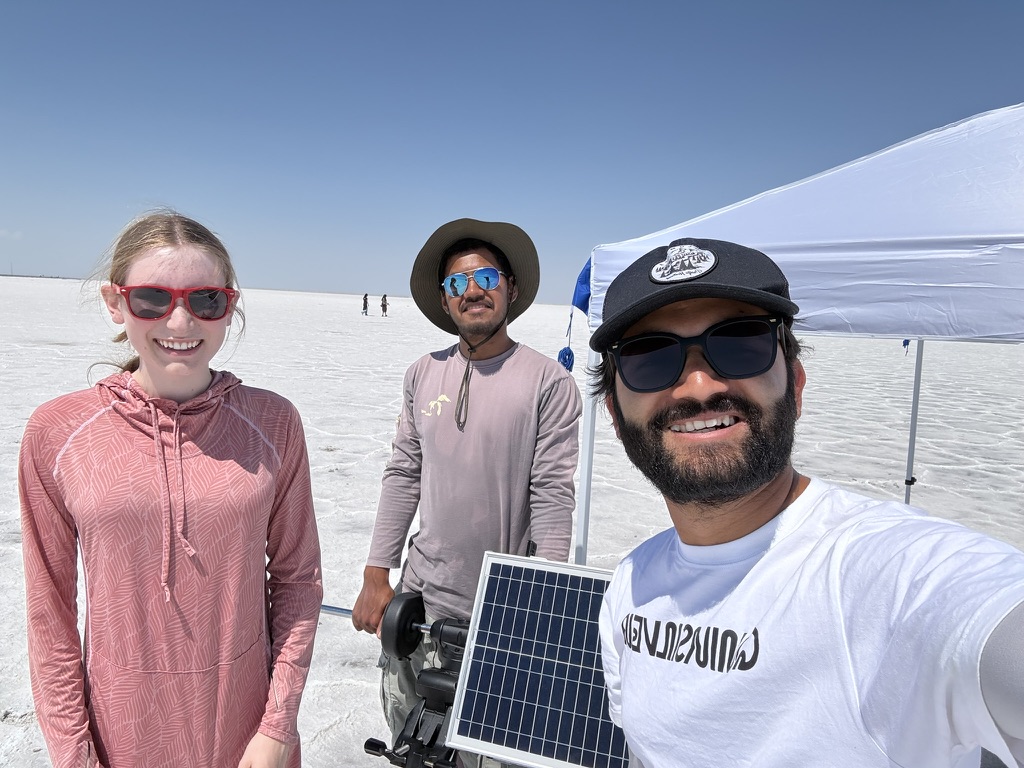
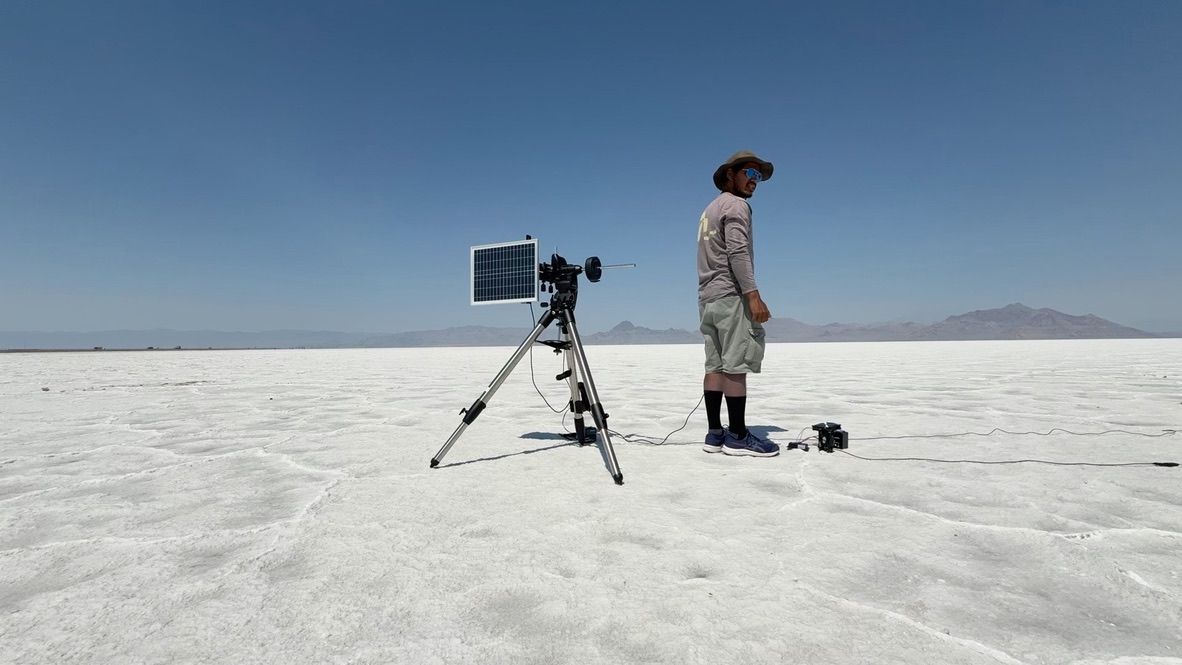
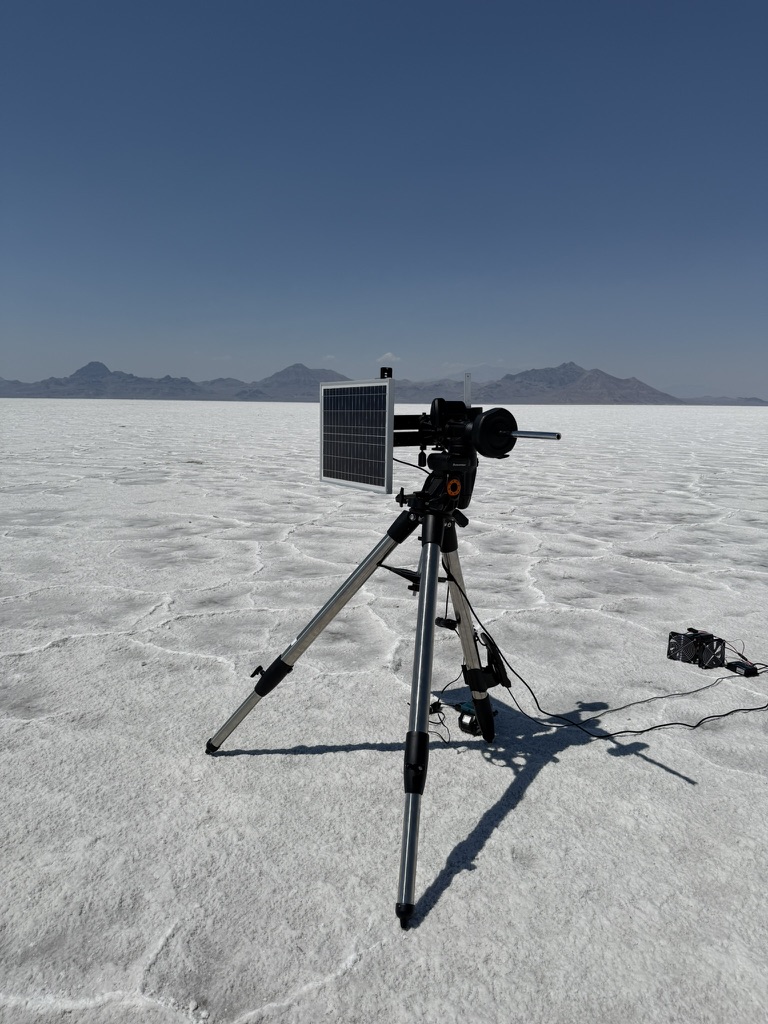
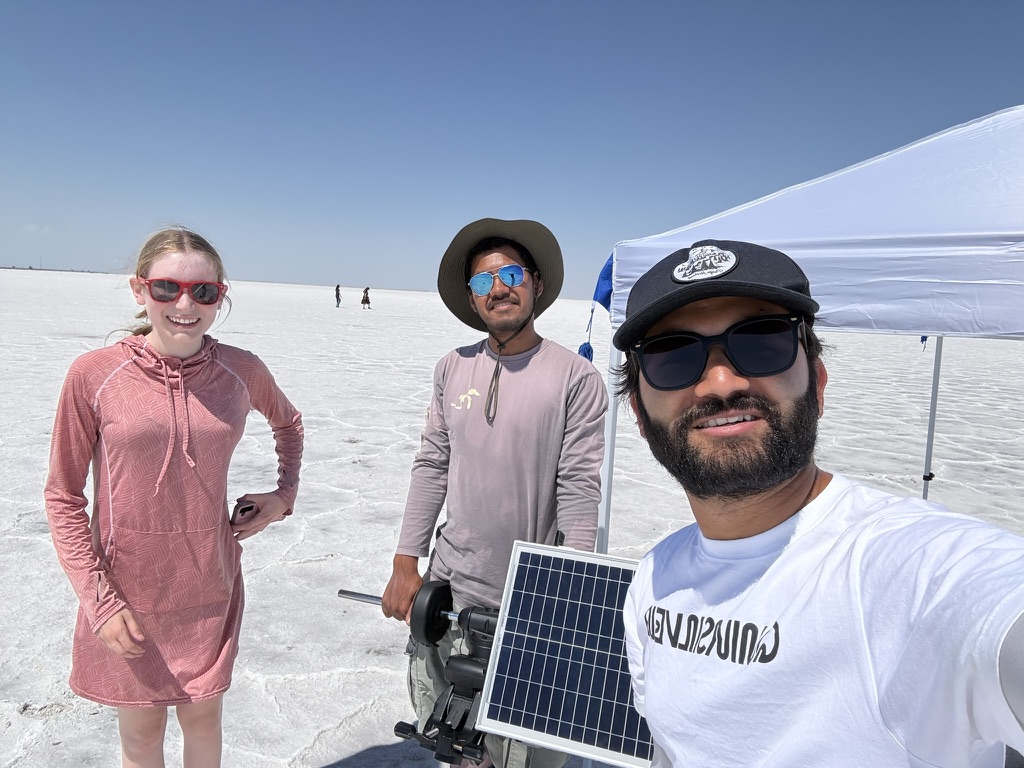
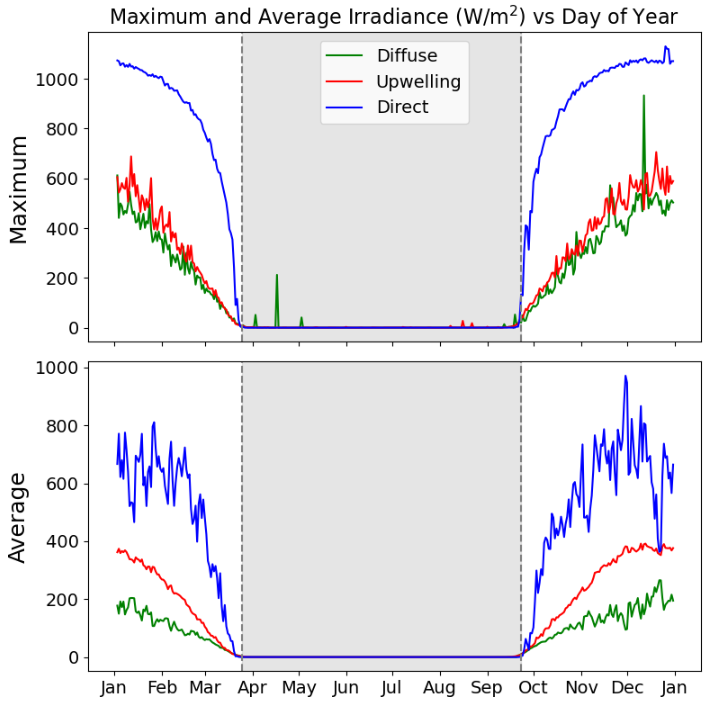
Low-sun tests at Bonneville showed strong bifacial performance.
What it could enable
Modeling suggests a 1,000-panel vertical array could generate 492,000 kWh in one austral summer.
Neutrino Emission Analysis
My neutrino astrophysics work tests whether X-ray bright Seyfert galaxies are hidden factories of high-energy neutrinos. In the disk-corona picture, particles accelerate near the black hole, neutrinos escape, and much of the gamma-ray signal is absorbed—making X-ray selection especially important.
Recent evidence
IceCube found strong evidence from NGC 1068 (4.2σ), and a new Southern Hemisphere stacking search reports a 3.0σ population-level excess from Seyferts using 2011–2021 data.
What this means
The signal appears to be driven by the Seyfert population rather than one source alone, suggesting obscured AGN cores may contribute to the diffuse astrophysical neutrino sky.
Machine Learning in Physics
I am currently exploring machine learning applications in physics. This section is a work in progress and will be updated soon.
Media Coverage & Engagement
Most of these highlight our team’s sustainability and astrophysics work; some include my photo or demos, but they are not exclusively about me.
"Voices of IceCube" – IceCube Collaboration
Featured in the official IceCube public outreach series.
Office of the Vice President for Research, University of Utah
Featured in institutional research impact coverage highlighting astrophysics research activities, including solar photovoltaic system development for research application.
University of Utah News
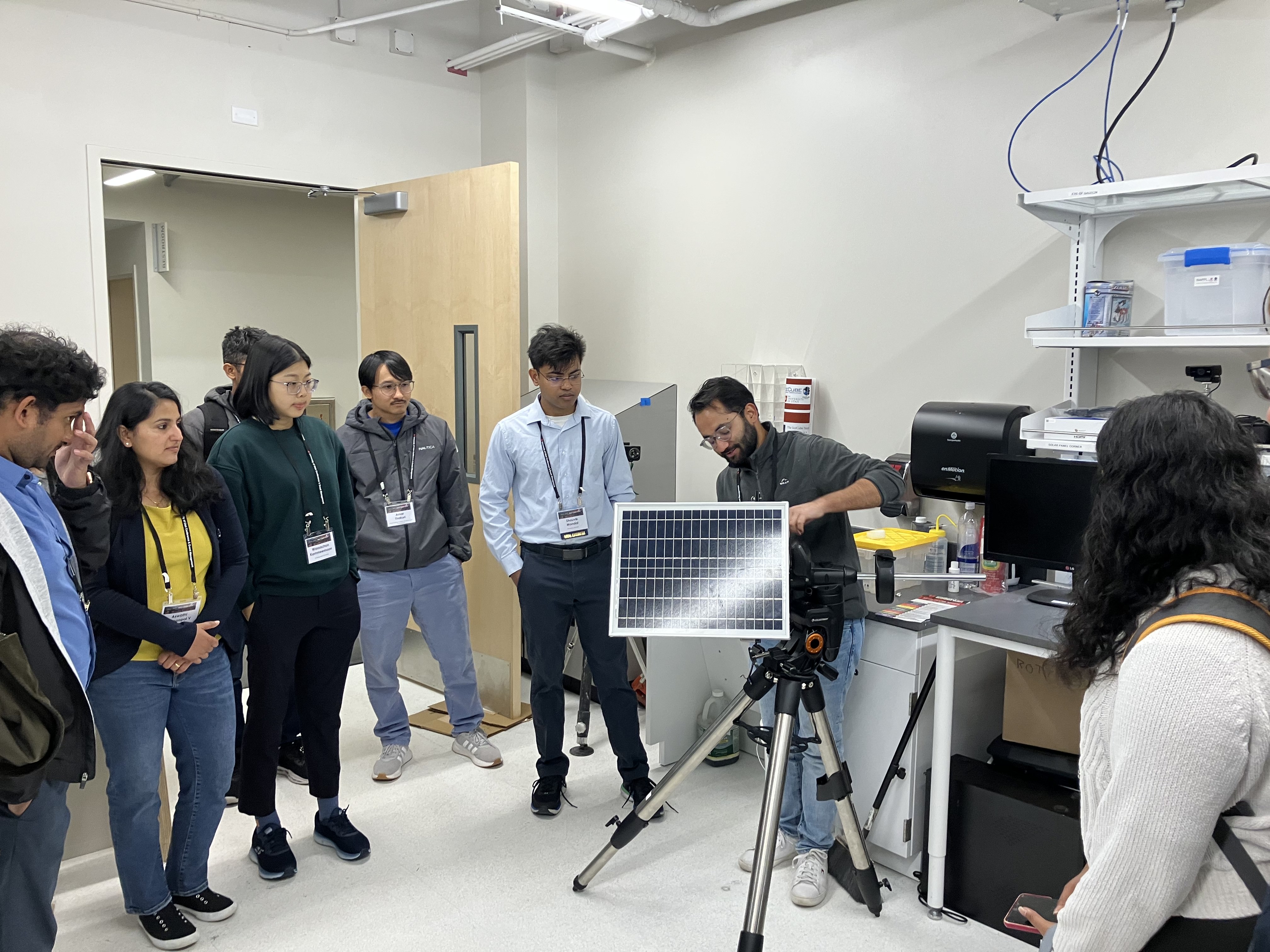
Featured in institutional coverage of IceCube Neutrino Observatory Upgrade, highlighting development and testing of solar photovoltaic systems for polar research infrastructure.
IceCube Collaboration News
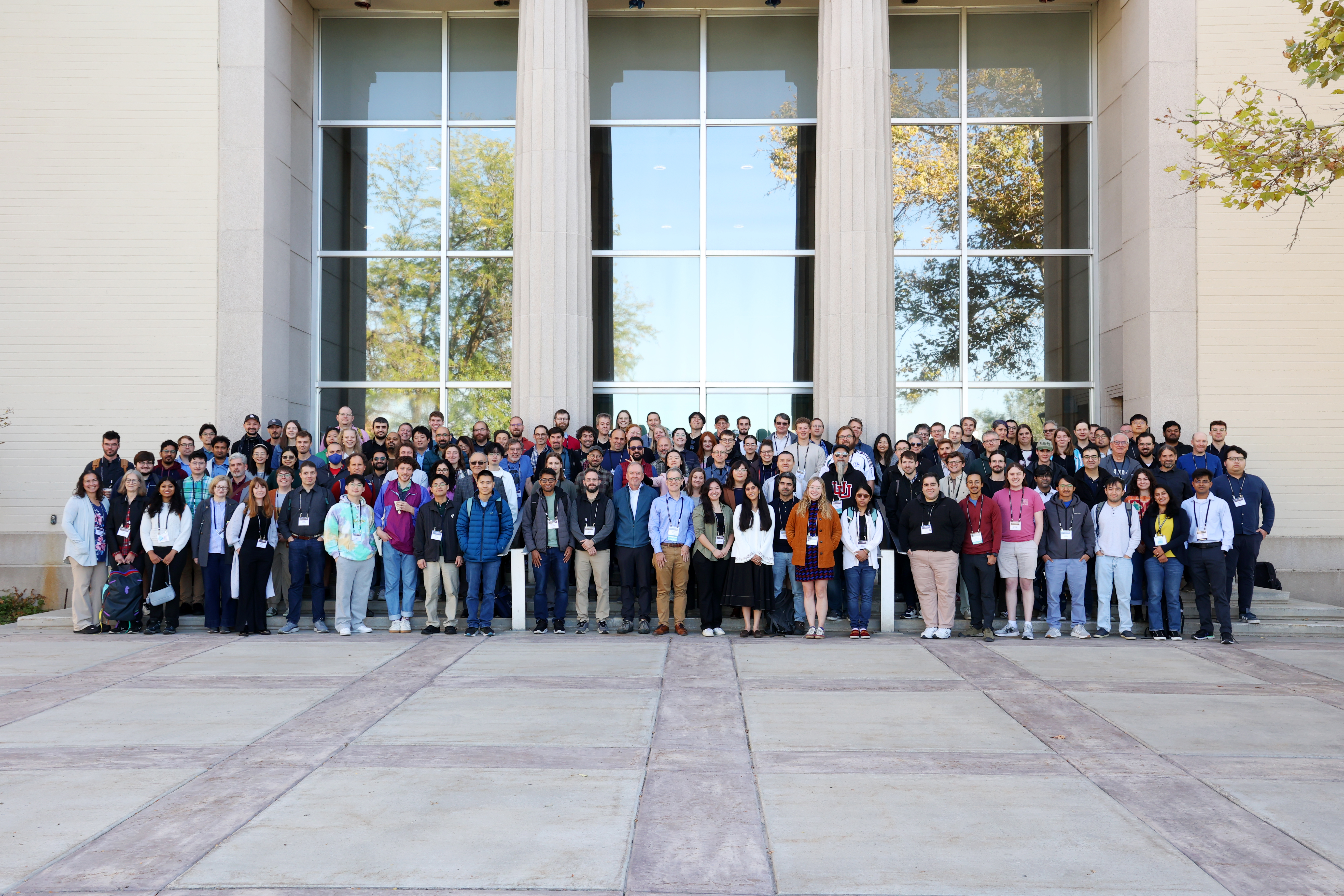
Coverage of the IceCube Collaboration meeting hosted at the University of Utah, including a tour of the Utah IceCube group's facilities and research activities.
Built with curiosity, coffee, and a team of AI interns: GitHub Copilot, ChatGPT, Gemini, and Claude 😄. If something looks brilliant, it was teamwork. If there is a typo, the humans were unsupervised 😂.